How Do Czech and Miyuki 11/0 Beads Differ?
Czech and Miyuki 11/0 seed beads differ most notably in consistency, hole size, and shape - and choosing between them largely comes down to your project and the biggest thing to know is that Miyuki and Czech 11/0s aren't really interchangeable - they each have their strengths, and picking the right one can make a real difference in your finished piece.

- Shape & Consistency:
Miyuki 11/0 Rounds are where they differ most. Miyuki beads are remarkably uniform - slightly cylindrical and almost identical in size, which gives beadwork a tidy, polished look. Czech beads are rounder and more "donut"-shaped, with small natural variations from bead to bead. That inconsistency isn't a flaw - it's actually what gives Czech beadwork its organic, handmade feel.
- Hole Size
Hole size matters more than people expect. Miyuki holes are larger and consistent, which is a big deal for weaving techniques like right-angle weave or peyote where your needle passes through the same bead several times. Czech holes are smaller and less predictable, so you may run into tighter passes.
- Best Use Cases
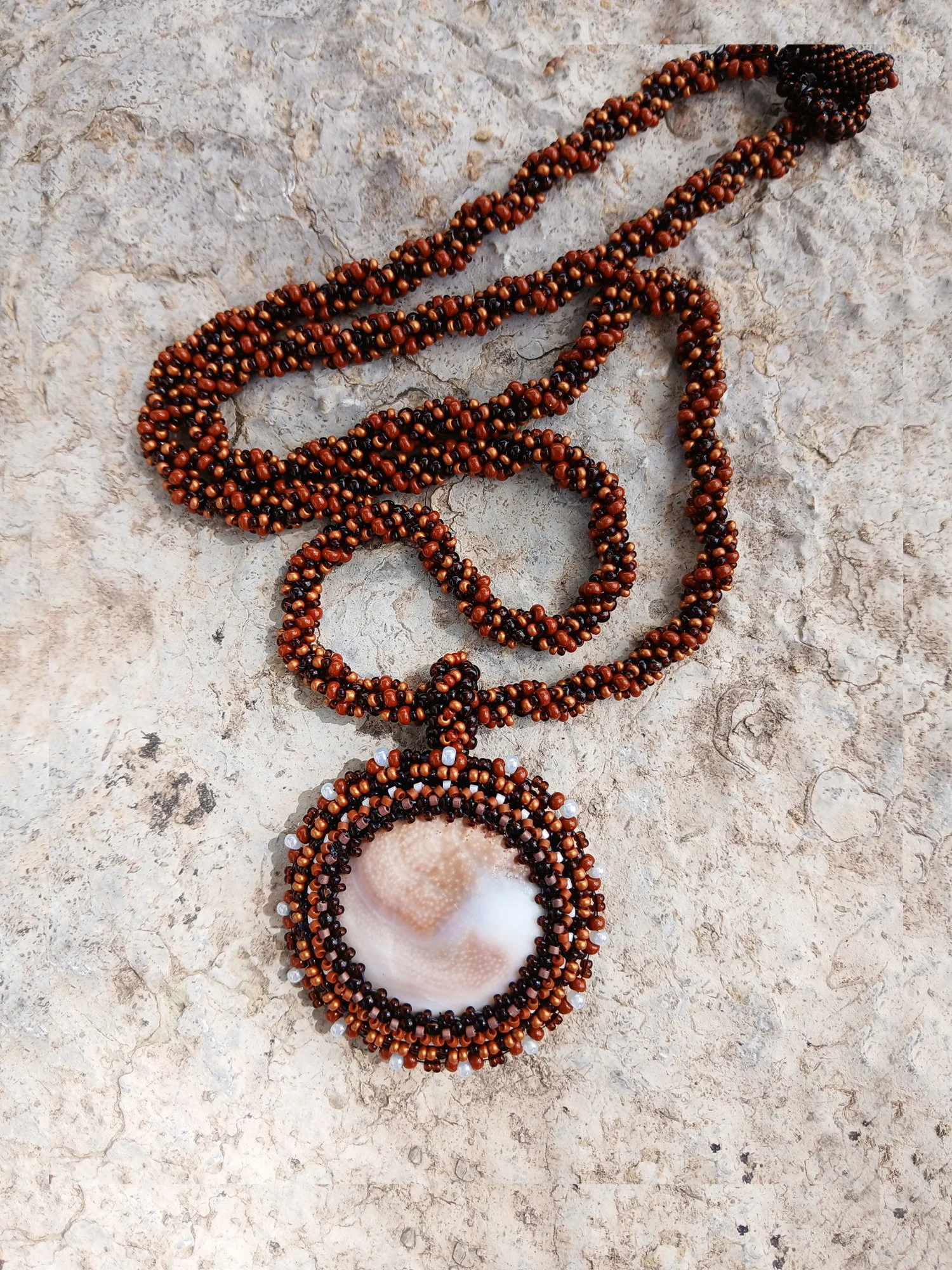
Miyuki excels in structured, precision-driven projects: loomed work, peyote stitch, and any technique where consistent tension and straight lines matter. Czech beads shine in fringing, bead embroidery, and rustic or free-form designs where exact uniformity isn't the priority.
The bottom line is Reach for Miyuki when precision matters — loomed work, structured stitch patterns, anything with straight lines or repeated tension. Go Czech when you want texture, warmth, or a more rustic finish - fringing, embroidery, and free-form designs where a little variation adds to the charm.


Comments
Post a Comment